- Home
- Products
- Equipment
- About Us
- Factory Tour
- OEM/ODM
- FAQ
- News
- Contact Us
Leave Your Message
The beginning of 2025 is seeing unprecedented change in global sourcing for Tape For Plastic needs. The need for advanced materials able to cater to the varied demands of many industries is changing the supply chain extensively. A trend where companies are looking for reliable partners who can provide high-quality adhesive tapes for plastic applications is changing the dynamics of the market and urging businesses to change their sourcing strategies for competitiveness.
In this regard, Zhongshan Sanyu Tape Electronics Co., Ltd. is one of the central players in the industry. Backed by its excellence and understanding of the complex needs of global customers, Zhongshan Sanyu Tape Electronics Co., Ltd. is poised to take the lead in providing specialized Tape For Plastic products. While looking into the trends of 2025, it becomes important to study how consumer preference changes, advancements in technology, and initiatives for sustainability influence the sourcing strategies within the adhesive tape industry.
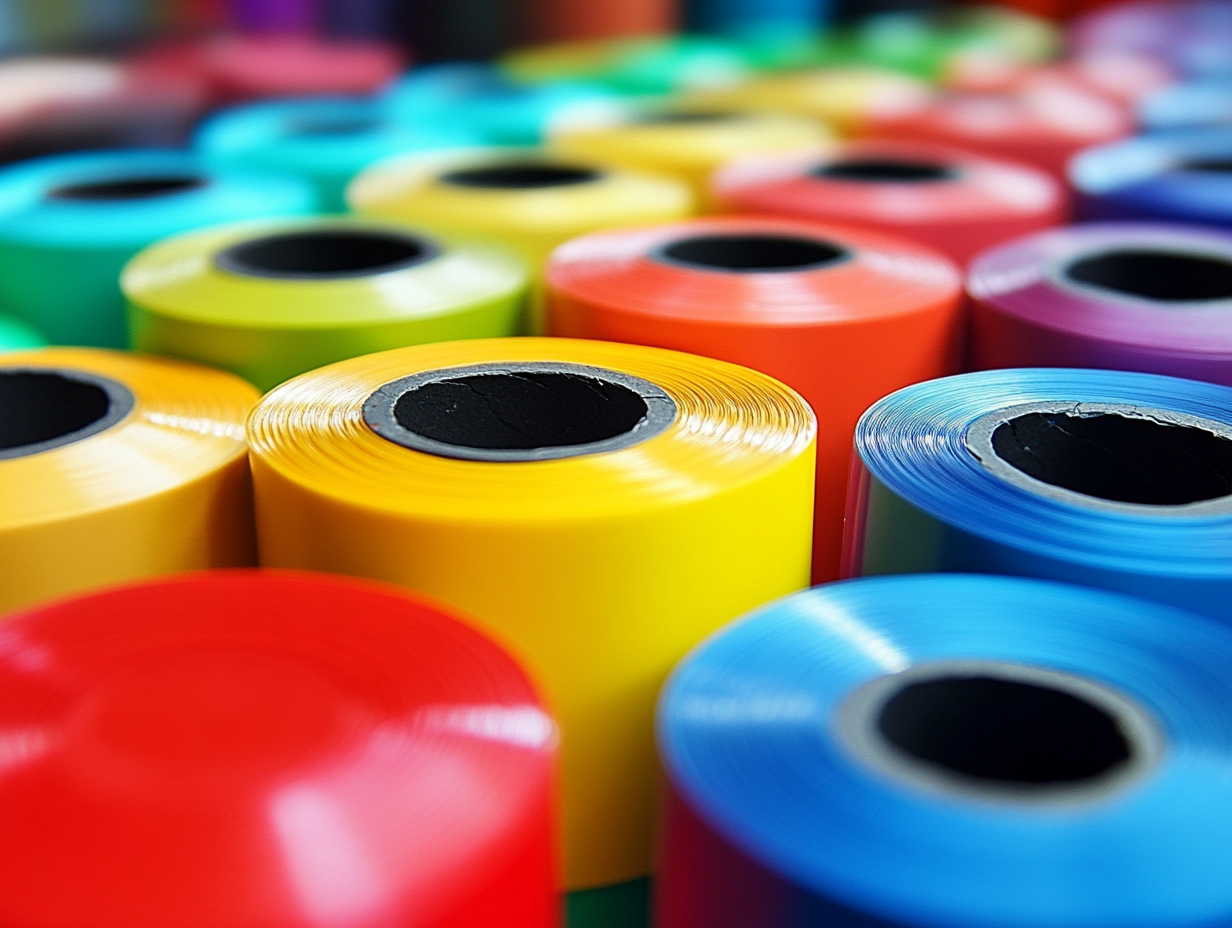
The plastic solutions tape sourcing has been changing considering the trends and re-regulations all over the world. Since most of the countries are coming up with new acts and protocols against using plastics, especially when it comes down to China, the trend is turning towards alternatives to plastics as packaging options for its products. Hence, the ongoing transformation in tape manufacturing is innovation in product lines to meet new regulations and performance standards. With a focus on sustainable sourcing, businesses are turning to more biodegradable raw materials and those recycled. The challenge is to strike a balance between the efficacy demanded and the required environmental friendly solutions. It is prudent to say that suppliers will be fundamental in delivering emerging solutions to the ever-evolving industry so that offerings comply with the growing global effort to eradicate waste plastics in tape applications.
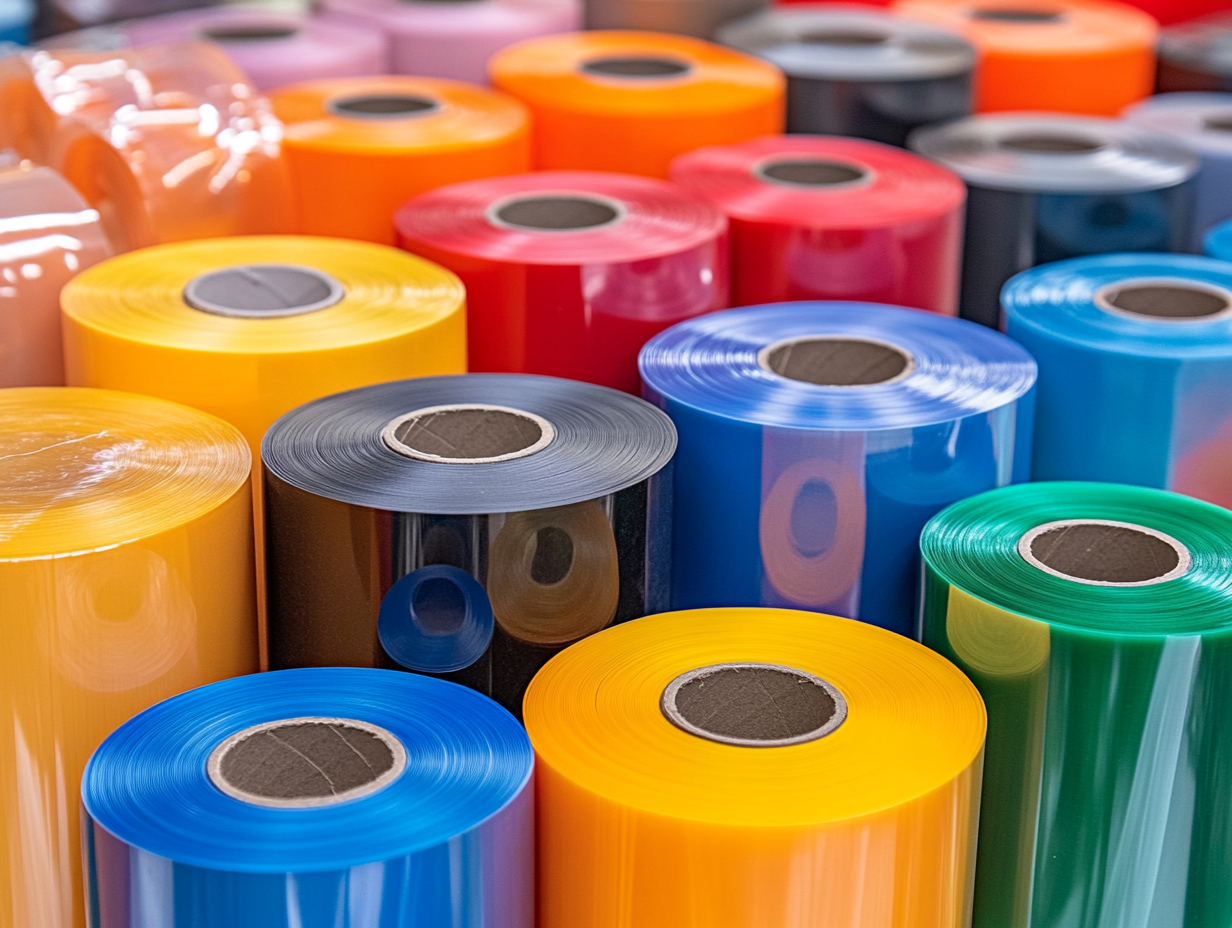
The evolutionary advancements being made in the field of manufacturing tapes are huge owing to the fact that there have been changes in technological innovations and changes in rules and regulations. For instance, in China, as a result of stringent plastic restrictions, manufacturing companies have started looking for alternative methods and materials for making tapes. Innovations in adhesive technologies and eco-friendly substrates are currently emerging as critical compliance and sustainability conditions in global sourcing practices.
Moreover, automation and smart manufacturing are changing and will continue to change tape production. These have made production not only efficient but also waste-saving, hence applicable to the world's efforts to minimize the use of plastic. Technological trend of the future defines how stakeholders will react to issues in sourcing and production in the tape industry.
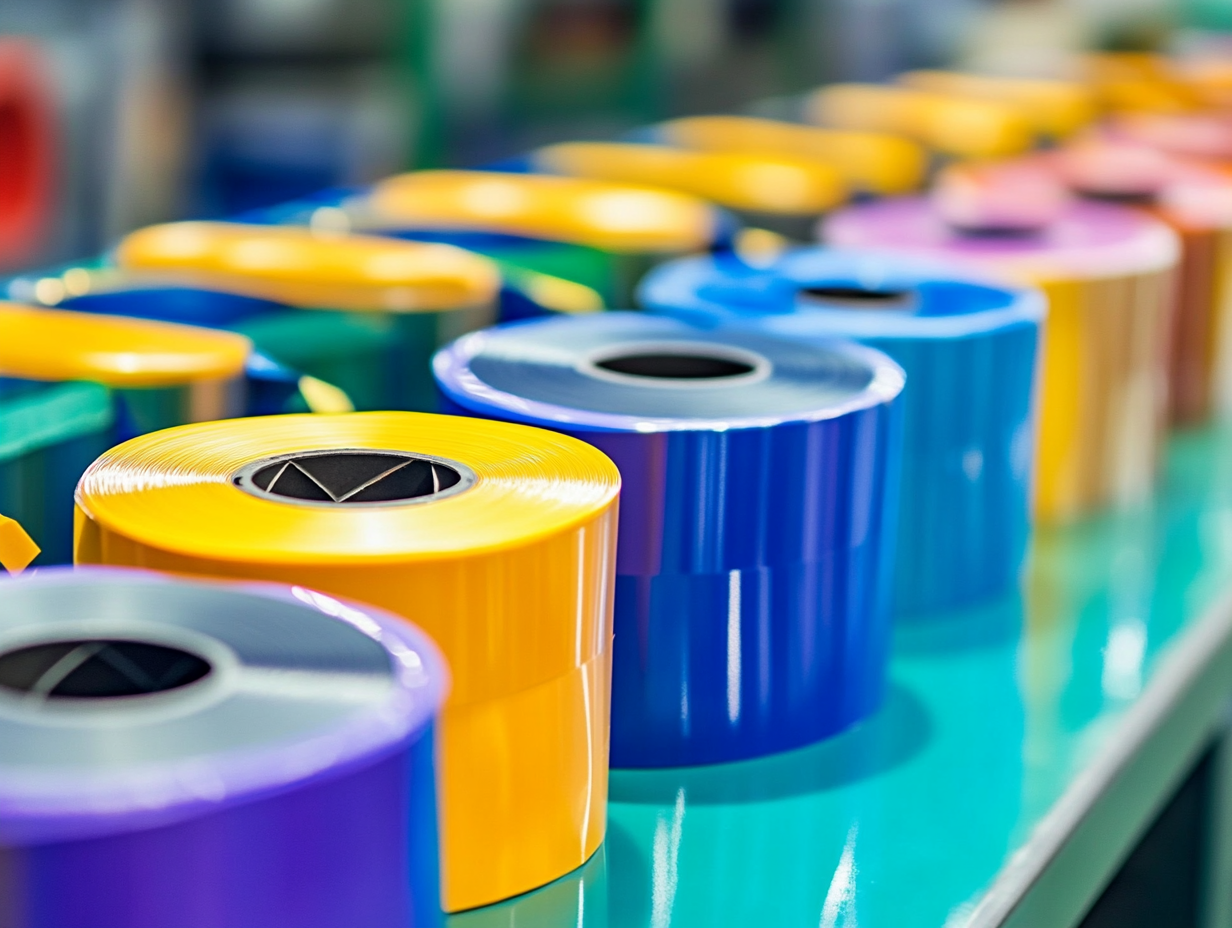
As we all know, recently implemented regulations that curb plastic usage within many countries have considerably brought the focus as needed on the topic of supply chain resilience with regard to tape procurement. With countries like China enforcing strict prohibition on plastics, tape-using industries must rethink their material sourcing approaches in ways that would be compliant but efficient.
The change from traditional plastic tapes toward sustainable materials would not only change the scene of availability of traditional plastic tapes but would also demand innovative solutions instead of alternatives. Companies therefore are now facing more problems regarding sourcing, and thus emphasize resilience supply chains even more. Resilience here means diverse suppliers, investment in green materials, and improved logistical capacity to withstand the blows inflicted by regulatory changes. In the end, tape procurement would find its future envisioned against the backdrop of global trends in sourcing because of proactive plans on sustainability.
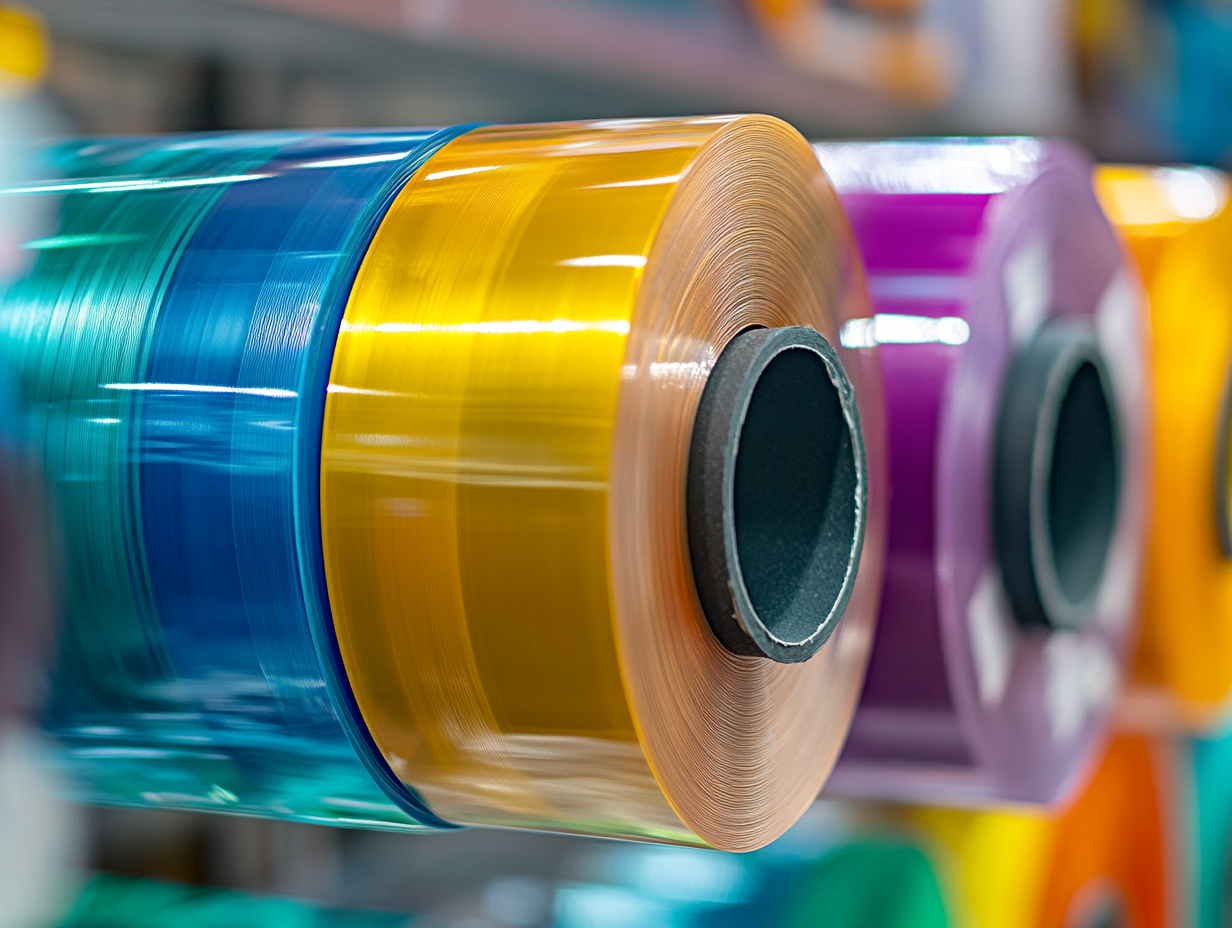
As the landscape for global sourcing, especially in the area of tapes, evolves, regulatory influences become a predominant driver. The recent spate of plastic bans, especially the very rigid ones from China that started getting enforced in January 2020, has compelled companies to rethink their sourcing approach. Now, manufacturers are exploring alternative materials that can help fulfill sustainability objectives and at the same time maintain the performance criteria pertinent to industry standards.
This is not merely a response mechanism to regulations but also a proactive approach to comply with tightening strictures enforced across an increasing number of jurisdictions around the world. Organizations have to weave their way through a complex set of local and international regulations governing the materials used in their products. Sourcing teams now are challenged to come up with solutions that do satisfy compliance requirements but also promote innovation in material technology that will keep them in the lead within this fast-changing market.
Global sourcing trends for tapes, especially in plastic solutions, are slowly but increasingly being dictated by regional regulations and market demand. For instance, China has instituted very stringent plastic restrictions, prompting the need for improved and innovative tape solutions that satisfy the growing environmental demand. Manufacturers are moving towards eco-friendly materials, and this results in sourcing changes toward sustainable ones.
Sourcing for tape materials will experience major changes in those affected regions by the regulations. It is left up to local suppliers to come up with alternatives that address what the whole world intends in the first place: reducing plastic usage. Not only will this affect production processes, but trade dynamics will also change as businesses look for partners local to their needs due to the new law coming up while still having the capacity to produce High-Quality Tapes for a wide range of applications.
Tape in plastic solutions, for their part, has been undergoing considerable upheaval, as global sourcing strategies are being redesigned around sustainability-related inputs. Vendors are now moving quickly toward using eco-materials to answer customer demands for sustainable practices. This transition also generates opportunities for innovations around products and product development.
At the forthcoming APS 2025 trade fair in Cologne, companies will have the golden opportunity to discover and strategize about the latest sustainable sourcing options. New material sourcing trends emerge at the fair, showcasing suppliers in all kinds of industries who are committed to sustainability. These may include working with manufacturers or suppliers working on renewable resources, thereby working down to the supply chain-from production to packaging.
The current environment of geopolitical instability and economic flux keeps sustainability in the forefront of procurement decisions. Sustainable strategies will provide businesses with a competitive advantage that will serve a growing market segment interested in eco-conscious solutions.
Navigating sustainable and functional product properties defines the sourcing for plastic tapes with growing consumer preference change. In 2025, demand will likely prevail for manufacturers following eco-friendly material and efficient production processes. Environmentally conscious consumers are now prodding suppliers to revisit their offer.
Upcoming international expos, for instance, in regard to the 2025IFPSM in Xiamen, will also demonstrate how the dynamics in the global markets have changed. Such platforms represent opportunities for suppliers to promote new products responding to consumer trends. Companies that aim at making greener products will practically have to change for an agile sourcing strategy to be geared toward consumer preferences.
Plastic bans have emerged all over the world to push tape industries into collaborative opportunities that could change sourcing strategies around the world. For tape industrialists, the plastic bans, especially in big markets like China, have set the stage for innovation and exploration of alternate materials. It will entail partnership among tape manufacturers, suppliers, and environmental groups in a quest for sustainable solutions that would meet the new regulations while conforming to market demand.
On the other hand, cooperation between research and development companies could stimulate research into biodegradable materials and adhesives. In this collaborative framework, tape industry members will share ideas and resources that will lead to an untethered transition out of plastic-based products. This collaborative effort will contribute to an improved product offering and be in line with global sustainability, thus fostering a good future for sourcing tapes from various plastic alternatives.
The global scenario for sourcing tape that goes into plastic solutions will look quite challenging in all aspects towards 2025, as there are very strict regulations against plastic use. In fact, China's implementation of one of the strictest plastic bans in 2020 is a pointer towards the trend and phenomenon towards sustainability, which directly affects various industries and their reliance on plastics and adhesives.
A timely alignment with these changes in regulation and an aggressive shift toward alternative sourcing under new, environmentally compliant specifications would prove rather daunting to most firms. Because they would not only need to seek alternate sources that would meet the latest criteria but also would be expected to maintain that mysteriously elusive balancing act of cost-effectiveness and supply chain efficiency.
This changing scenario is giving rise to innovations in developing sustainable tape suitable for plastic applications. Hence the manufacturers and suppliers have to adapt continuously to keep ways with the competition in an evolving market.
This is the latest course of tape for plastic solutions, which has come up at times when the world is changing and turning to sustainable materials. As the introduction of stringent plastic regulations in January 2020 drew lines for the future of tape manufacturing in China, changes are now starting to emerge in the area. The new focus on eco-friendly materials has sparked innovation in adhesive technologies, bringing about an enhanced tape that minimizes or entirely removes traditional plastic usage.
Manufacturers explore the forefront in new materials that will include biodegradable polymers and plant-based adhesives to add to the value of the performance in the various applications of tape, as well as being a fit with the global sustainability goals of the future. Such future materials will deal with environmental and consumer interests because the consumers are gradually seen converting into those who want to buy responsible sourced products and superior longevity. These new materials will be focused on the development of extent tape performance, paving the way for smarter and more sustainable packaging in the near future.
The main technological innovations include advancements in adhesive technology, the development of eco-friendly substrates, automation, and smart manufacturing processes.
China is implementing stringent plastic restrictions, prompting manufacturers to seek alternative materials and production methods to comply with these new regulations.
Sustainability is important due to increasing regulatory pressures to minimize plastic use, which drives the need for eco-friendly materials and practices in tape production.
Supply chain resilience is crucial as it allows companies to adapt sourcing strategies to comply with regulations while maintaining operational efficiency despite disruptions.
Companies face challenges such as the availability of traditional plastic tapes, the need for innovative alternatives, and the complexities of navigating regulatory changes.
Companies can build resilient supply chains by diversifying suppliers, investing in eco-friendly materials, and enhancing their logistical capabilities.
Automation improves efficiency and reduces waste in tape production, contributing to more sustainable manufacturing processes.
Eco-friendly substrates are materials used in tape production that have a lower environmental impact and align with sustainability goals.
The shift towards sustainable materials reduces the availability of traditional plastic tapes, necessitating the exploration of innovative alternatives.
Understanding technological trends is crucial for stakeholders to navigate the evolving landscape, comply with regulations, and stay competitive in the market.