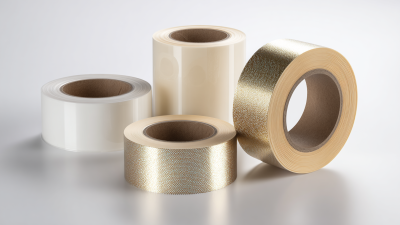
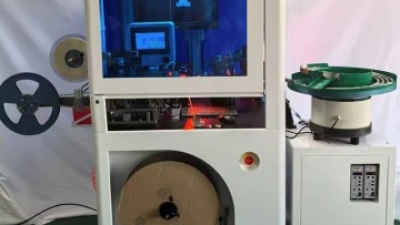
As the electronics industry keeps pushing for higher efficiency and productivity, the importance of Automatic Tape Machines is only growing. You know, reports show that the worldwide market for these machines is expected to hit around $3.2 billion by 2025, with a compound annual growth rate of about 7.5%. That’s mainly because companies need more precise and dependable packaging solutions for electronic Components. Here at Zhongshan Sanyu Carrying Electronics Co., Ltd., we’ve been around since 2016 in Guangdong, specializing in making carrier tapes for SMD/SMT applications and braid equipment. By using cutting-edge technology and some innovative design tricks, our automatic tape machines don’t just help speed things up—they also make everything run more smoothly, fitting right into the bigger picture of automation and eco-friendly manufacturing. As we look into how efficient these machines really are, we want to show how they’re helping boost overall industry productivity and meet the changing needs of the electronics world.
Understanding Automatic Tape Machines and Their Role in Modern Industry
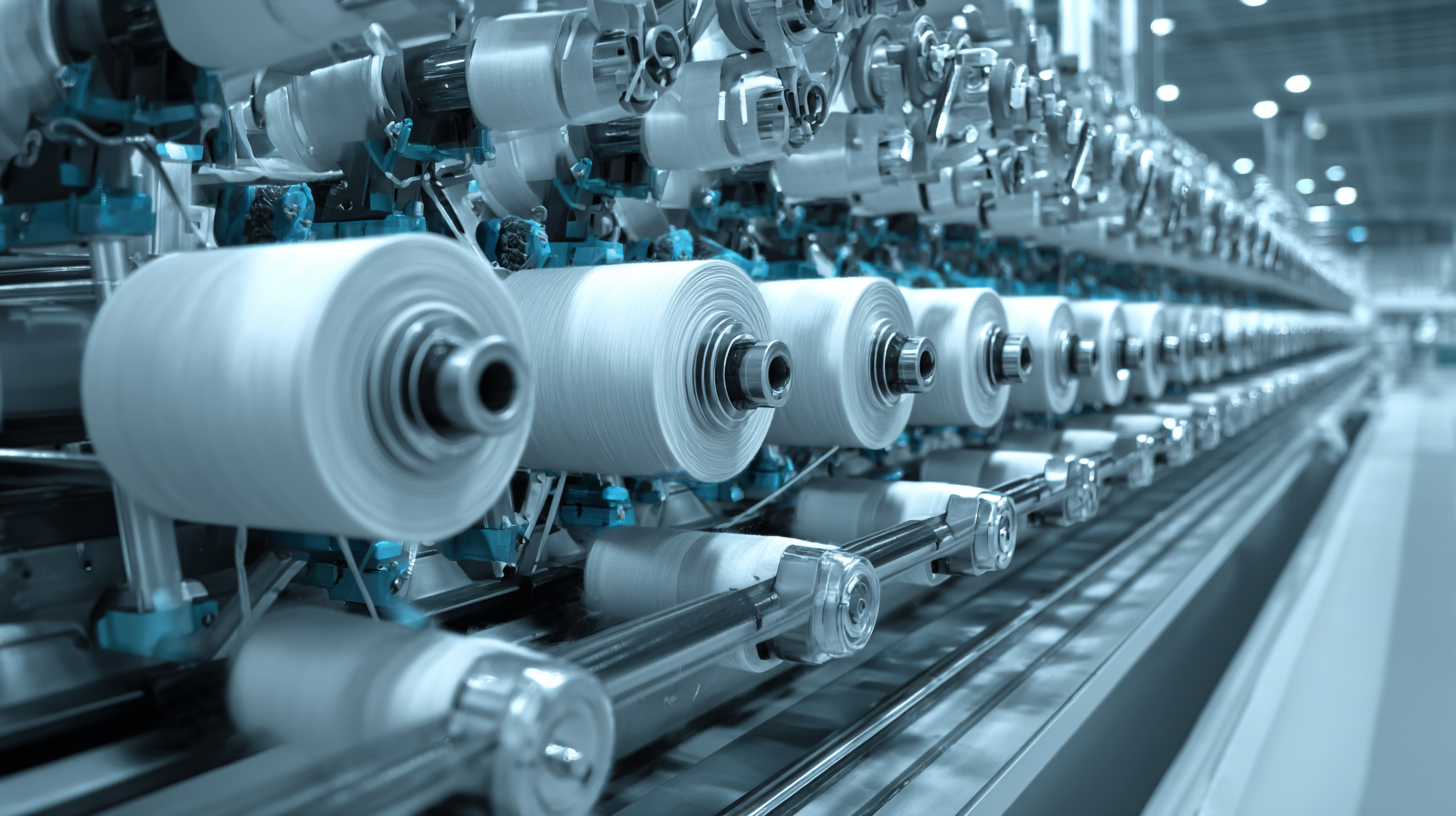 Automatic tape machines have really changed the game for the packaging world. They boost efficiency and cut down on labor costs—pretty great, right? These machines automatically apply adhesive tape to packages, making sure everything’s sealed up tight so products stay safe during shipping and storage. As more businesses look to streamline their workflows, more folks are turning to automatic tape machines. It’s a smart move because it helps meet growing demand while also reducing human errors.
But these machines aren’t just about basic packing anymore. They actually play a big part in optimizing workflows and going green by cutting down on wasted materials and energy use. Thanks to tech improvements, many of these machines can now be adjusted for different speeds and even sync up with automated production lines. That means higher productivity and fewer headaches. As automation keeps spreading across industries, these machines are becoming pretty much essential for companies wanting to stay competitive and succeed in today's fast-paced market.
Key Performance Indicators: Measuring Productivity with Automatic Tape Machines
Key performance indicators, or KPIs, are super important when it comes to figuring out how well automatic tape machines are doing across different industries. One of the main KPIs folks keep an eye on is the machine utilization rate—that’s basically the percentage of time the machine is actually running versus the total time it’s available. When you see high utilization rates, it’s usually a good sign that the machines are well-integrated into the production process and are working close to their top efficiency. To keep things consistent, companies often track downtime and maintenance schedules too, since those can really impact overall productivity.
Another key metric is the output rate, which measures how many finished products are made in a given amount of time. This helps manufacturers compare different machines and spot areas where things can be improved. When you look at the output rate alongside setup and changeover times, it gives a pretty good picture of how well the automatic tape machines are handling different production demands. By paying attention to these KPIs, companies can get a better idea of how their tape machines are performing operationally and can make smarter strategies to boost efficiency. In the end, that means more productivity and higher profits—so it’s worth keeping a close eye on these numbers.
Efficiency of Automatic Tape Machines
This chart illustrates the quarterly productivity increase of automatic tape machines in percentage terms throughout the year. Notably, Q4 shows a significant peak at 45%, indicating a strong trend of efficiency improvements.
Comparative Analysis of Manual vs. Automatic Tape Application Efficiency
Lately, there's been quite a bit of chatter in the packaging world about manual versus automatic tape application—what really works better? According to a report from Freedonia Group, companies that switch to automatic tape machines can boost their packing speed by up to 30%. That’s a pretty big deal when it comes to getting things done faster. On the flip side, sticking with manual Taping tends to be slower and racks up higher labor costs—something that can really hurt overall efficiency.
If you look at it side by side, automatic machines not only shine in speed but also deliver a more consistent, high-quality tape job. Some research points out that automatic tape application has error rates as low as 0.5%, whereas manual methods can go up to 5% or even higher—that’s a big difference, especially when it comes to saving money and keeping your products in top shape. Making the switch to automation really seems to pay off in the long run.
A few tips if you’re thinking about improving your tape game:
- Take a good look at your current process and see where manual taping might be causing delays or hiccups.
- Invest some time in training your team so they really get the hang of automatic machines—that way, everyone’s on board and using them effectively.
- And don’t forget to regularly check your equipment to make sure it’s running smoothly and to avoid unexpected downtime—that keeps things moving and keeps you up to industry standards.
Emerging Trends in Tape Technology: Innovations Enhancing Productivity
The world of tape technology is changing faster than ever, and actually, it’s pretty exciting! There have been some pretty big leaps forward—things like smarter automatic tape machines equipped with sensors and AI analytics—that are really helping companies work more efficiently. I recently read a market report from Industry Insights, and it said that using these intelligent tape systems can boost production speeds by up to 30%, plus cut down on material waste by about 15%. It’s pretty clear that more and more, tech is playing a key role in making manufacturing smoother while keeping quality high.
And, on top of automation, there’s a whole shift towards eco-friendly tape solutions. Sustainability's a hot topic nowadays, and manufacturers are jumping on the bandwagon with biodegradable and recyclable tapes. A survey by the Green Manufacturing Association found that about 65% of companies are now focusing on green tape tech—something that’s not only good for the planet but also helps their brand image and even saves some money in the long run. Incorporating these sustainable practices isn’t just a trend; it actually helps improve productivity and matches what customers really want these days—products that are environmentally responsible.
Tip: When you're thinking about upgrading your tape machines, look for ones that have smart features—these can help you monitor everything in real-time and keep things running smoothly.
Tip: Keep an eye on new eco-friendly materials in tape-making. Staying updated with these trends can help your business stay competitive and meet customer expectations.
Case Studies: Successful Implementation of Automatic Tape Machines in Various Sectors
Automatic tape machines have really made a huge splash across different industries, ramping up productivity and efficiency in pretty exciting ways. I came across a recent report from MarketsandMarkets that says the global market for automated packaging solutions is set to hit around $70.56 billion by 2025 — and it's growing at a pretty solid pace of about 9.32% annually. What’s happening here? Well, more companies are turning to automation to make their packaging smoother, cut down on mistakes, and get products out the door faster.
Some stories from the food and beverage world really show just how much these machines can change the game. For example, there’s this big beverage company that managed to boost their packaging speed by about 25% after they brought in automated taping equipment. Not only did that make their workflow snappier, but it also helped them save quite a bit on labor costs.
And it’s not just in food and drinks—e-commerce businesses have also jumped on the bandwagon. According to a recent survey by the Packaging Industry Association, these guys have cut their packing times by roughly 30% thanks to automatic tape machines. All in all, these examples really show how these machines aren't just nice-to-haves—they’re actually key players in making operations more efficient across a variety of fields.
Future Outlook: The Evolving Landscape of Automated Tape Solutions in Industry
You know, as industries are jumping more and more on the automation bandwagon, the future for automated tape solutions looks pretty promising. I came across this recent report by MarketsandMarkets — they’re saying the global market for automated packaging tools is expected to hit around $99 billion by 2026, growing at about 6.7% annually. That’s mainly because companies are really looking for ways to boost efficiency and cut down on operational costs, especially in manufacturing and logistics. So, it’s no surprise that a lot of businesses are quickly adopting advanced automatic tape machines to make their processes smoother, cut waste, and get more done in less time.

And here’s the exciting part — with tech like machine learning and IoT becoming more common, these systems are getting smarter. For example, Smart Packaging Solutions predicts that once these intelligent technologies are integrated into automated machines, we could see real-time monitoring and adaptive operations, which potentially can bump up efficiency by as much as 30%. As these kinds of innovations become the norm, companies really need to stay on top of things—think investing in training, new infrastructure, stuff like that—to make the most out of automation.
If you’re looking to make the most of automated tape solutions, a couple of tips: regularly review your packaging processes to spot where automation could help; keep up with the latest tech trends; and compare different suppliers to find solutions that really fit your unique needs. By staying proactive and open to change, businesses can seriously boost productivity and stay ahead in this fast-changing market landscape.
Choosing the Ideal Sanyu Automatic Braid Machine for Efficient SMD Components Handling and Production
In the rapidly evolving electronics industry, efficient handling and production of SMD (Surface Mount Device) components have become crucial. The advent of advanced technology has led to the increased reliance on automatic braiding machines for carrier tape, which are essential in the packaging and sealing processes. According to a recent industry report, the global market for automatic tape braiders is expected to grow by over 10% annually, driven by the rising demand for compact and reliable electronic components.
Choosing the ideal Sanyu Automatic Braid Machine can significantly impact production efficiency. These machines are designed to automate the entire braiding process, dramatically increasing throughput while minimizing labor costs. The integration of intelligent features such as programmable settings allows manufacturers to customize their operations to suit various component sizes and specifications. Furthermore, a high-quality braiding machine ensures that the packaging quality meets industry standards, thereby reducing waste and enhancing overall product reliability.
As manufacturing operations scale to meet increasing demands, investing in the right braiding technology becomes imperative. The Sanyu Automatic Braid Machine not only simplifies the handling of SMD components but also aligns with best practices in production efficiency. By leveraging automation, manufacturers can maintain competitive pricing while ensuring that they deliver high-quality products to the market.
FAQS
: Key performance indicators for automatic tape machines include the machine utilization rate and the output rate, which help measure operational efficiency and productivity.
The machine utilization rate indicates the percentage of time machines are operational compared to their total available time, reflecting their integration and efficiency in production lines.
Monitoring downtime events and maintenance schedules is crucial because they significantly impact overall productivity and the operational efficiency of automatic tape machines.
Manufacturers can improve their output rate by analyzing it in conjunction with setup times and changeover times, allowing them to identify inefficiencies and enhance machine adaptability to varying production demands.
The global market for automated packaging solutions is projected to reach $99 billion by 2026, with a compound annual growth rate (CAGR) of 6.7%.
Technologies such as machine learning and IoT enable real-time monitoring and adaptive processes in automated machines, potentially leading to a 30% increase in efficiency.
Companies can regularly assess their packaging processes, stay updated on technological advancements, and evaluate different suppliers to identify the best-fit automated solutions for their operational needs.
Investing in training and infrastructure is vital for businesses to fully capitalize on the benefits of automation and to stay competitive in an evolving market landscape.
Keeping up with the latest technological advancements allows companies to identify new opportunities for efficiency and productivity improvements within their packaging processes.
Companies can remain competitive by proactively adapting to changes, improving productivity through automation, and implementing strategies that enhance operational efficiency.
Conclusion
The article titled "Exploring the Efficiency of Automatic Tape Machines: A Deep Dive into Industry Productivity Stats and Trends" offers a pretty thorough look at how these machines are really making a difference when it comes to boosting productivity in today’s industries. It kicks things off by explaining what automatic tape machines are and why they're so important for making operations smoother and faster. The piece then goes into some key performance measures—showing how companies gauge productivity and how well these machines perform—especially when comparing old-school manual tape methods to modern automated solutions.
On top of that, it dives into some of the latest trends and tech breakthroughs in tape technology that's likely to push things even further. There are a few case studies peppered throughout, sharing real-world success stories of companies that have adopted automatic tape machines and seen big improvements in their efficiency. To wrap things up, the article takes a peek into the future, highlighting how the landscape of auto tape solutions is constantly changing. It also points out how companies like Zhongshan Sanyu Carrying Electronics Co., Ltd. are leading the charge, constantly working on developing smarter packaging and braiding equipment, especially for the electronics industry—fascinating stuff!
Overall, it’s an insightful read that underscores just how much innovative machinery like this can really shape the future of manufacturing and packaging.