- Home
- Products
- Equipment
- About Us
- Factory Tour
- OEM/ODM
- FAQ
- News
- Contact Us
Leave Your Message
Industrial carrier tapes are pretty vital in the world of electronic manufacturing, especially when it comes to packaging and moving SMD/SMT Components around. If you’ve been keeping an eye on recent market reports, you’ll see that demand for smarter packaging solutions—like those carrier tapes—is on the rise. That’s mainly because electronic devices are getting smaller and more powerful, plus automation in assembly lines is becoming the norm. Zhongshan Sanyu Carrying Electronics Co., Ltd., founded back in 2016 in Guangdong, is right there in the mix, producing top-notch carrier tapes and braid equipment to meet these industry needs. Experts are forecasting the global market for carrier tapes to hit around $600 million by 2028. So, it’s pretty clear that understanding why Industrial Carrier Tapes matter—how they work and their advantages—is key for manufacturers who want to stay competitive and keep their packaging game strong in this fast-changing landscape.
Carrier tapes might not be the most glamorous part of modern manufacturing, but honestly, they’re absolutely essential—especially in the electronics world where precision and speed are everything. Recent industry reports show that the global demand for Surface Mount technology (SMT) components is expected to grow at around 8.6% each year from 2020 to 2027. This jump is mainly thanks to more and more factories leaning on automated processes, making high-quality carrier tapes even more critical. They’re what makes sure electronic parts are handled, transported, and placed smoothly during assembly, preventing all sorts of mishaps.
Here at Zhongshan Sanyu Carrying Electronics Co., Ltd., we’re all about producing top-notch SMD/SMT carrier tapes and packaging gear. We kicked off in 2016 and set up shop right in the heart of Guangdong—the bustling Pearl River Delta, famous for innovation and manufacturing. Our advanced carrier tapes don’t just keep things running smoothly; they actually help cut down errors and boost efficiency on the assembly line. A report from MarketsandMarkets even points out that the right carrier tape design can improve component integrity and cut handling damage by up to 30%. That’s a pretty huge deal for manufacturers trying to stay efficient while maintaining high standards of quality.
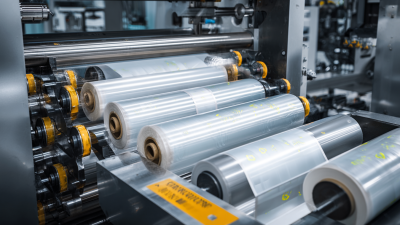
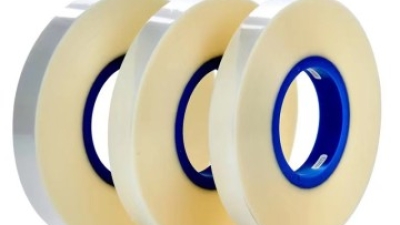
Cover tape plays a crucial role in the packaging of Surface Mount Devices (SMD) components, ensuring their protection during storage and transport. Typically made from transparent plastic films, such as polyester or polypropylene, these tapes serve as an essential barrier, safeguarding sensitive electronic components including integrated circuits, inductors, transformers, capacitors, resistors, and connectors. Industry reports indicate that the global electronic packaging market is expected to reach $1.4 billion by 2025, emphasizing the growing importance of effective protective solutions like cover tapes.
The significance of well-sealed cover tapes cannot be overstated. Various coatings, such as anti-static and adhesive layers, enhance the performance of these tapes, ensuring components remain secure and protected from contaminants and mechanical damage. A study by Smithers Pira highlighted that 30% of component failures can be attributed to inadequate packaging, making it imperative for manufacturers to invest in high-quality cover tapes. By creating a hermetically sealed environment around SMD components, these tapes minimize the risk of exposure to moisture and dust, thereby extending the lifespan and reliability of electronic devices.
Moreover, the increasing trend towards miniaturization in electronics design drives the demand for advanced packaging solutions that can accommodate smaller and more delicate components. As noted in recent market analyses, the cover tape segment is projected to grow significantly, as companies prioritize effective packaging solutions that do not compromise the integrity of SMD components. This continues to underline the importance of well-sealed cover tapes in maximizing protection and ensuring the success of electronic manufacturing processes.
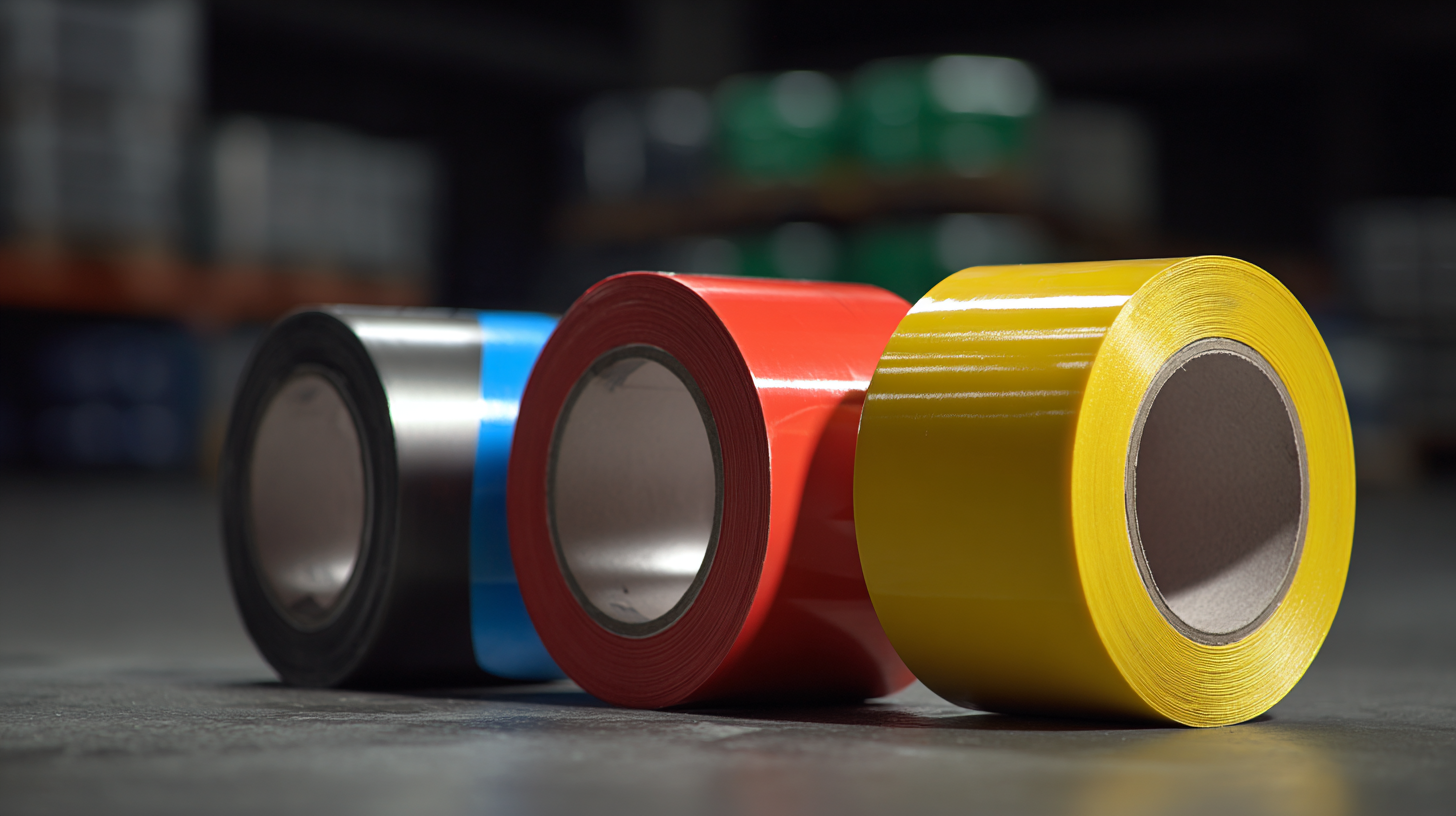
: Carrier tapes are typically made from plastic or paper. Plastic tapes offer high durability and moisture resistance, while paper tapes provide better antistatic properties.
The pitch, or distance between pockets, and the size must align with the dimensions of the components being packaged. These specifications are crucial for efficient automated assembly and to prevent damage to the components.
The demand for miniaturization in electronics is leading to a shift towards ultra-thin, customizable carrier tapes designed for various component shapes and sizes, driving significant advancements in the industry.
Ensuring compatibility with specific components is vital to avoid damage during transportation. Mismatches can lead to misalignment and production issues.
Common mistakes include using incorrect dimensions for tapes, neglecting proper storage conditions, and failing to regularly inspect tapes for wear and damage.
Exposure to extreme temperatures or humidity can compromise the integrity of carrier tapes and the components they hold, making controlled storage essential.
Regular inspection and maintenance of carrier tapes can significantly enhance their reliability and longevity, preventing operational setbacks.
The global carrier tape market is projected to reach $1.6 billion by 2025, driven by growth in the electronics sector.
Investing in reliable equipment can lead to long-term savings and improved efficiency in your packaging processes.
Zhongshan Sanyu Carrying Electronics Co., Ltd. is recognized for its high-quality packaging solutions and expertise in manufacturing carrier tapes since 2016.
Industrial carrier tapes are a big deal in today’s manufacturing scene, especially when it comes to packaging SMD or SMT electronic parts. Honestly, getting to know the different types of these tapes and what they’re best for is pretty crucial if you want to streamline your production process. Using carrier tapes offers some solid benefits — they protect fragile components, make assembly way easier, and can even cut down on handling costs. But, here’s the thing: you really need to pick the right tape based on your project’s specific needs to make sure everything works smoothly and performs well.
And let’s not forget — technology keeps evolving. There are always new innovations aimed at making carrier tapes stronger and more eco-friendly. Still, manufacturers should watch out for common pitfalls like choosing the wrong type of tape or mishandling it, which could mess up the whole packaging process. At Zhongshan Sanyu Carrying Electronics, we’re all about providing top-notch carrier tapes and braid equipment to fit the ever-changing demands of the electronics industry. We’re here to help you get things just right.