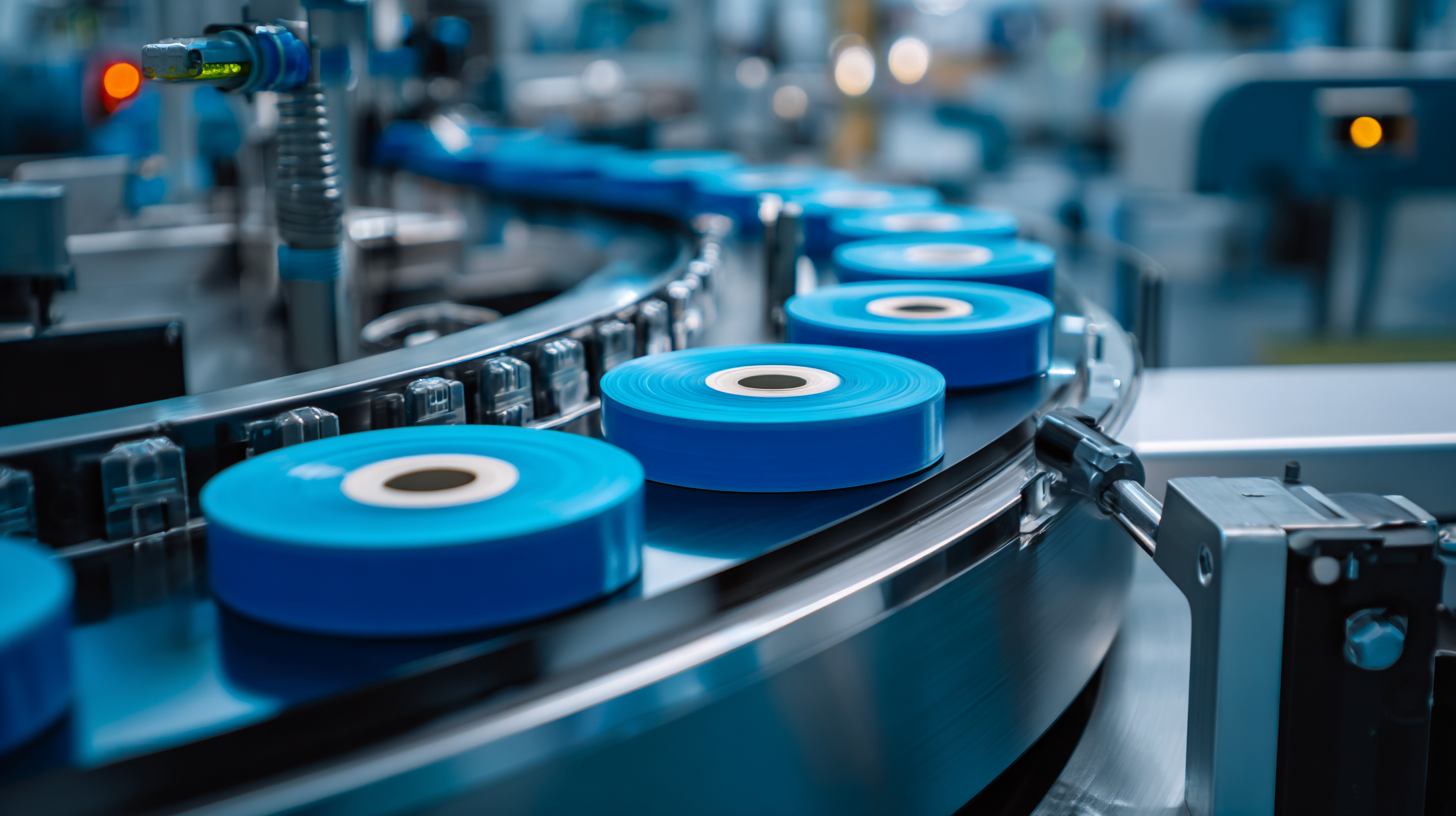
Nowadays, in such a competitive market, more and more businesses are realizing just how important it is to streamline their processes to stay efficient. Industrial Carrier Tapes, for example, are pretty essential when it comes to packaging and shipping SMD/SMT electronic Components — you know, sort of like the backbone of modern electronics production. I recently came across a report fromMarketsandMarkets that said the global carrier tape market is expected to jump from around USD 1 billion in 2021 to roughly USD 1.56 billion by 2026. That really shows how much the electronics industry needs better, more effective packaging solutions these days. As someone who works with manufacturing and packaging of SMD/SMT components — specifically with carrier tapes and braids — Zhongshan Sanyu Carrying Electronics Co., Ltd. has been in the game since 2016, constantly pushing forward with new tech and expertise to meet these changing demands. By adopting these advanced industrial carrier tapes, companies can cut down on wasted materials, smooth out their workflows, and, honestly, boost their profits in the long run.
Industrial carrier tapes are pretty much essential when it comes to boosting efficiency in manufacturing and assembly lines. These specialized packs are designed to hold and transport electronic parts safely, making sure they stay protected throughout shipping and handling. Using carrier tapes really helps businesses cut down on damage and loss, which means smoother operations and fewer costs from returns or having to replace faulty parts.
On top of that, the impact of good carrier tapes really shows when it comes to speeding up production. Since they organize and standardize how components are transported, assembly lines can work more smoothly — no more wasting time hunting for parts or dealing with mishandling. Plus, the modern carrier tapes are engineered to be precise enough for automation; this not only speeds up the process but also cuts down on labor costs and human errors.
All in all, understanding and adopting advanced carrier tape solutions is a smart move for any business looking to ramp up efficiency and stay competitive out there.
Modern industrial carrier tapes are really designed to boost efficiency and performance across different manufacturing setups. One of their biggest perks? They play nicely with the latest pick-and-place machines, which means less downtime and smoother production runs. I recently came across a report from MarketsandMarkets that points out the global market for these tapes is set to jump from about $1.37 billion in 2022 to roughly $2.03 billion by 2027 — that's an annual growth rate of around 8.4%. It’s pretty clear that with the surge in demand for smaller, more efficient electronics, having top-quality carrier tapes is more important than ever to hit those production targets.
Another thing worth mentioning is the precision in molding those tiny pockets — it really helps keep the components safe and secure during transport. Plus, the high-end materials used in these tapes make them tough and resistant to different environmental factors, which means fewer defects and product damages. A study I read recently from Research and Markets shared that 78% of manufacturers saw fewer damages to their products after switching to better carrier tapes — that’s a pretty convincing statistic, right?
A couple of tips: If you want to make the most of what these advanced tapes can offer, it’s a good idea to regularly check in with your suppliers. Make sure they're using the latest materials and tech. Oh, and don’t forget to train your team on how to handle and load these tapes properly — it can really help boost overall production efficiency and reduce mistakes.
When you're choosing the right carrier tape for your specific needs, there are a few important things to keep in mind to make sure everything runs smoothly. First off, you'll want to look at the size and shape of your components. Carrier tapes come in all sorts of sizes and styles, so knowing exactly what your parts need will help you pick a tape that holds everything securely and keeps them safe during shipping or handling.
Then, think about what the tape is made of. This is super important, especially if your parts are sensitive to things like moisture or temperature changes. For example, going with anti-static or moisture-resistant tapes might be a smart move—these can really help stop any damage and keep your products in top shape. Also, consider how the tape seals—are you going with a cover tape or maybe a heat-sealed one? This choice can really affect how easy it is to open your packaging or how well your parts are protected. By thinking through these points carefully, you'll be able to pick a carrier tape that not only fits your needs but also helps make your production run a lot smoother.
This bar chart represents the cost per unit for various types of carrier tapes commonly used in industrial applications. Selecting the right carrier tape is crucial for maximizing efficiency and meeting specific business needs.
Bringing carrier tapes into your business processes can really help streamline things and boost overall efficiency—especially if you're working with SMD or SMT electronic components. When you get the hang of best practices, it's way easier to cut down on wasted materials and avoid unnecessary steps in your production line. For example, switching to digital carrier tape systems can make inventory management a lot simpler. Plus, it helps ensure that components are packaged properly and shipped safely, which ultimately saves you time and money.
On top of that, focusing on continuous process improvements and investing in staff training is key to getting the most out of carrier tapes. Companies like Zhongshan Sanyu Carrying Electronics have shown how focusing on innovative packaging solutions aligned with global standards can really make a difference. As industries face growing pressure to be more efficient—especially with complicated regulations and supply chain hurdles—keeping up with the latest best practices for carrier tapes is more important than ever. Taking a proactive stance now will not only boost productivity but also keep your business competitive in this fast-moving market.
In today’s fast-moving world of manufacturing and logistics, cutting costs is more important than ever if businesses want to stay competitive. That’s where innovative carrier tape solutions come into play—they're becoming a key part of keeping operational expenses in check. According to a report from Smithers Pira, the global market for packaging stuff—including carrier tapes—is projected to hit around $1 trillion by 2024. That just shows how much companies are looking for smart, budget-friendly solutions. Using modern materials and clever designs, today’s carrier tapes can make production smoother, cut down on waste, and help keep the supply chain running like clockwork.
A quick tip: When you're choosing carrier tapes, see if you can go for options made from recyclable materials. It’s not only better for the environment but can also save you money on disposal costs, which adds up over time.
On top of that, new tech has really boosted how tough and functional these tapes are. Some now come with anti-static features and special designs that protect your products better during shipping and handling. This helps prevent damage, especially to sensitive parts. There’s even research from BCC Research showing that companies switching to smarter packaging solutions can boost their cost efficiency by up to 15%. Pretty neat, right?
And here’s a little bonus tip: Keep an eye on your carrier tape suppliers. Make sure they’re offering the latest and greatest solutions that match what your business needs. Doing so can lead to big savings and more efficient operations down the line.
As industries keep evolving, it’s no surprise that the demand for high-tech industrial carrier tapes is really booming. These days, they’re a key part of boosting business efficiency, thanks to some pretty innovative solutions. I was just reading a recent market report that estimates the global carrier tape market will grow at about 6.1% annually from 2023 to 2030. That’s mainly because of rapid tech improvements and a growing need for precision when placing tiny components. This kind of growth really highlights how crucial modern carrier tapes are — helping streamline manufacturing, cut down on waste, and give productivity a real boost.
If you want to get the most out of these tapes, it’s worth paying attention to upcoming trends like automation and greener materials. The push toward sustainability is pretty clear, too — reports show nearly 40% of manufacturers are investing in biodegradable tapes as part of their eco-friendly strategies. Jumping on these innovations could not only make your operations more efficient but also help build a better reputation with customers who care about the planet.
A few tips:
: When selecting carrier tape, consider the dimensions and shape of the components, the material of the tape (such as moisture-resistant or anti-static options), and the type of sealing method (cover tape or heat-sealed) to ensure secure and protected packaging.
Implementing carrier tapes can streamline operations, reduce waste and redundancies, and simplify inventory management, ultimately saving time and costs in the production lines, especially in the SMD/SMT sectors.
Continuous employee training enhances the benefits derived from carrier tapes by ensuring staff are knowledgeable about best practices and can efficiently integrate these solutions into existing processes.
Businesses should keep an eye on trends such as automation and the use of eco-friendly materials, which are becoming increasingly important for enhancing efficiency and meeting sustainability initiatives.
The global carrier tape market is projected to grow at a CAGR of 6.1% from 2023 to 2030, driven by technological advancements and the need for precision in manufacturing processes.
Regular assessment of carrier tape suppliers is crucial to ensure they are adopting the latest technologies and materials, which can enhance operational efficiency and maintain competitiveness in the market.
Nearly 40% of manufacturers are investing in biodegradable tape as part of their green initiatives, which not only improves operational efficiency but also enhances brand reputation among environmentally conscious consumers.
Integrating automated systems in the packaging line can minimize human error and fully leverage the advantages of modern carrier tapes, leading to improved efficiency and productivity.
Businesses should stay informed about new regulations on material sustainability and adapt their practices accordingly to ensure compliance and foster a positive brand image.
The type of sealing method, whether cover tape or heat-sealed, greatly influences the accessibility and protection level of the components during transport, impacting overall product integrity.
Industrial carrier tapes are actually pretty essential when it comes to boosting efficiency in many manufacturing businesses, especially in the electronics world. Getting why they matter can really help companies streamline their workflows, cut down on waste, and handle products more carefully. The latest designs of these carrier tapes aren’t just keeping up—they bring some cool innovations that make sure sensitive electronic parts stay safe during shipping and storage. Choosing the right type of carrier tape for each job is super important because it can make a real difference in how smoothly your production runs.
Plus, if you make a habit of using best practices with these tapes, you'll see your processes become way more efficient—and it can save you money by reducing damage and losses. Looking ahead, it’s exciting to see how new trends in industrial carrier tapes might totally change the game. They’re coming up with innovative solutions that fit the ever-changing needs of companies like Zhongshan Sanyu Carrying Electronics Co., Ltd. By focusing on integrating advanced carrier tape tech, businesses can boost productivity and stay competitive out there in the market.