Hey, you know, in today’s super busy world of manufacturing and logistics, you really can’t underestimate how important Packaging Carrier Tape is. I was reading somewhere, and Dr. Emily Carter—who’s pretty much a boss in the packaging game and the CTO at PackTech Innovations—mentioned that ‘Using top-notch Packaging Carrier Tape makes the whole assembly process way smoother and keeps products protected when they’re shipped out.’ It’s a simple phrase, but it really sums up how vital carrier tapes are when you're packing electronic parts and other fragile stuff.
Basically, Packaging Carrier Tape is designed to keep products snug and secure, making them easier to handle and ensuring they arrive in one piece. When companies use reliable packaging stuff like this, they end up wasting less, operate more efficiently, and — bonus — make their customers happy. Good application of this tape doesn’t just help with organization during storage and shipping, but it also supports a more eco-friendly approach by cutting down on unnecessary packaging waste.
In this article, we’re gonna look at all the ways Packaging Carrier Tape can help businesses sharpen their supply chain and make packing a lot simpler. We’ll cover what makes it great, all the different uses, and how it can save a bunch of money—really makes it a must-have for any company trying to stay ahead.
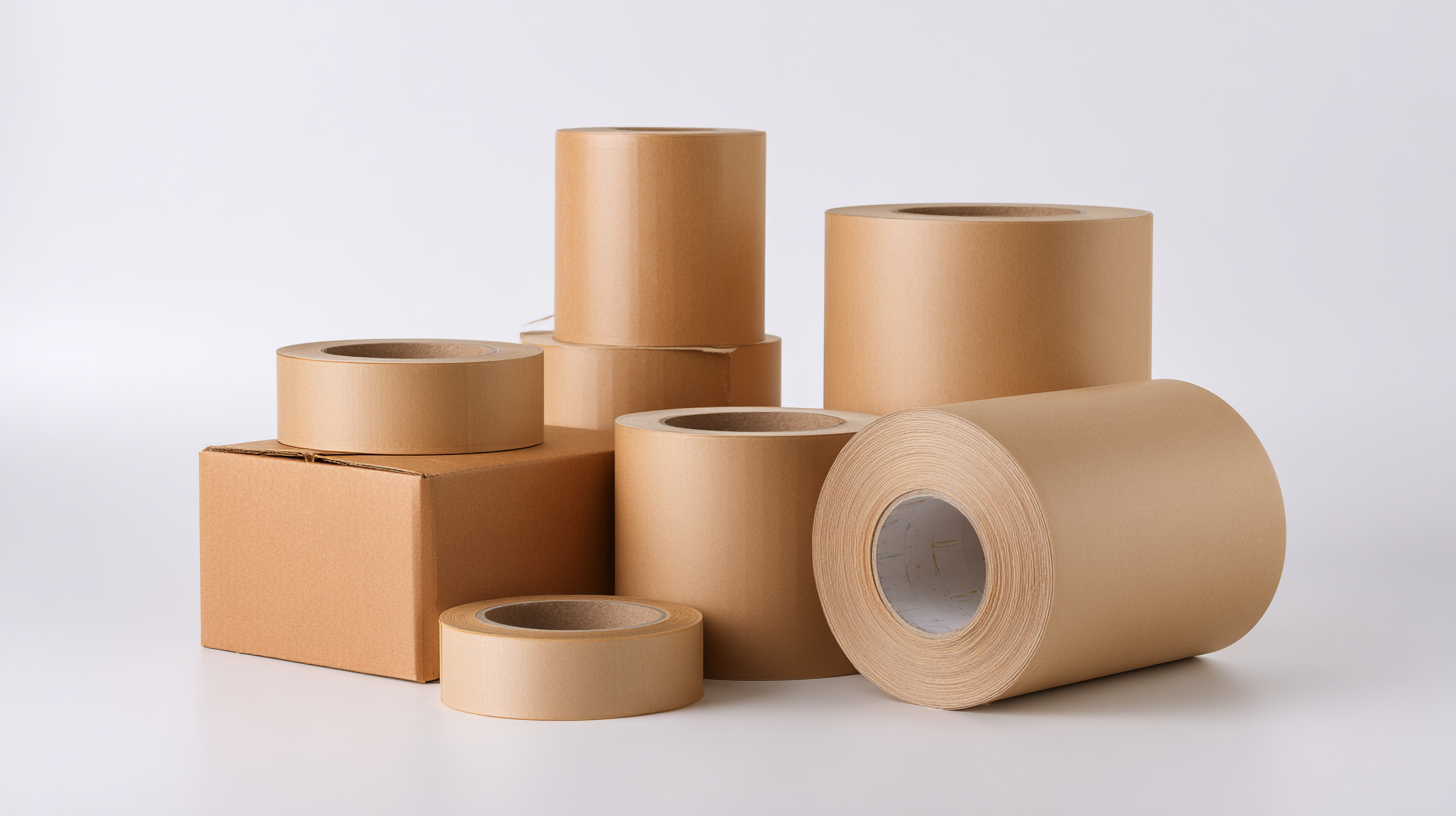
Packaging carrier tapeis an essential component in the supply chain, playing a critical role in the protection and organization of products. It is specifically designed to hold and secure Components during shipping and storage, ensuring that items remain intact and are easily identifiable. By using carrier tape, businesses can significantly reduce the risk of damage during transit, promoting a more efficient process and enhancing customer satisfaction.
Understanding the basics of packaging carrier tape and its applications can help businesses streamline their operations and save on shipping costs. Utilizing this tape in combination with smart packing strategies can lead to minimized shipping expenses while still delivering quality service.
For example, optimizing the size of packaged goods and using appropriate carrier tape can prevent wasteful space in shipping containers, leading to lower freight charges. As companies seek to maintain profit margins, incorporating packaging carrier tape can be a strategic move to cut down on costs and improve overall efficiency.
Packaging carrier tape is an essential component in various industries, particularly in the semiconductor and electronics sectors. Understanding the key materials and types of packaging carrier tape can significantly impact operational efficiency. The primary materials used in packaging carrier tape include plastics, paper, and specialty films, each bringing unique benefits. For instance, plastic carrier tapes offer durability and are resistant to moisture, making them ideal for sensitive electronic components.
When selecting the right type of packaging carrier tape, consider the formulation. Solvent-based options are favored for their strong adhesion properties, while solventless alternatives minimize environmental impact. Additionally, specific designs like static dissipative tapes ensure that sensitive components are protected from electrostatic discharge, which is crucial in avoiding damage during transport.
**Tips:**
1. Evaluate the adhesive type based on environmental conditions; for high-moisture areas, opt for moisture-resistant tapes.
2. Look for carrier tapes that align with your product specifications to ensure compatibility and safety during shipping.
3. Stay updated on industry trends, as advancements in materials can lead to improved performance and sustainability.
Carrier tape plays a crucial role in enhancing product protection, particularly in industries that rely on the secure transportation of electronic components. This specialized packaging method is engineered to hold items in place, minimizing movement during shipping and handling. By utilizing carrier tape, businesses can significantly reduce the risk of damage to fragile components, ensuring that products arrive in optimal condition. The tape's design, featuring pockets or cavities tailored to specific shapes, offers a snug fit that not only prevents jostling but also adds an extra layer of reliability during transit.
Moreover, the use of carrier tape contributes to efficient inventory management and assembly processes. The structured arrangement of components within the tape allows for easy identification and retrieval, streamlining production workflows. This organized approach not only enhances workplace efficiency but also minimizes the likelihood of human error during assembly. As a result, businesses that implement carrier tape systems often experience improved operational throughput and a reduction in costs associated with damaged goods. By prioritizing product protection through effective packaging solutions like carrier tape, companies can foster customer satisfaction and build a more robust supply chain.
Carrier tape is an essential component in the packaging industry, particularly for electronic components. It provides a reliable means of organizing, protecting, and transporting items, which significantly leads to cost efficiency. By using carrier tape, companies can minimize material waste and reduce packaging bulk, resulting in lower shipping expenses. Furthermore, the standardized design of carrier tape enables optimal space utilization during transit, allowing businesses to ship more products effectively without increasing costs.
In addition to reducing material costs, carrier tape enhances operational efficiency by streamlining assembly processes. It simplifies the handling of delicate components, reducing the risk of damage during transportation and manufacturing. This reliability not only saves costs associated with product returns due to damage but also speeds up the packing and shipping phases of logistics. As businesses continue to seek competitive advantages, investing in carrier tape technology stands out as a strategic move toward enhancing overall business productivity and cost management.
| Feature | Description | Cost Impact |
|---|---|---|
| Material Type | Polypropylene and Polyester | Cost-effective and durable |
| Customization | Tailored sizes and specifications | Reduces waste and returns |
| Production Speed | Automated feeding and packaging | Increases throughput, lowering labor costs |
| Storage Efficiency | Compact and stackable design | Saves on storage costs |
| Reduced Damage | Protects components during transportation | Decreases costs related to product returns |
| Environmental Impact | Recyclable materials used | Potential to lower disposal costs |
Advancements in carrier tape technology have significantly transformed the packaging industry, especially for businesses that deal with electronic components. Modern carrier tapes now integrate features such as anti-static materials and moisture barrier properties, which are essential for protecting sensitive components during storage and transport. This innovation not only enhances the longevity of the products but also minimizes the risk of damage, ultimately leading to decreased waste and cost savings for businesses.
Moreover, the development of customizable carrier tape solutions allows companies to tailor their packaging to specific product dimensions and requirements. This flexibility ensures that components are securely held in place, reducing movement during transit and thus decreasing the likelihood of defects. Additionally, advancements in automation and precision manufacturing have led to increased production efficiency and consistency, enabling businesses to scale operations without compromising quality. By leveraging these modern technologies, companies can enhance their supply chain processes, deliver superior products to customers, and maintain a competitive edge in the market.
In today's world, environmental sustainability has become a crucial consideration for businesses across various industries. When it comes to packaging solutions, carrier tape is no exception. Traditional carrier tapes often rely on non-biodegradable materials, which can contribute significantly to environmental pollution. By opting for sustainable carrier tape options, businesses not only enhance their eco-friendly credentials but also contribute to reducing waste in the supply chain.
Sustainable carrier tape solutions are increasingly available, made from recyclable or biodegradable materials that minimize impact on the environment. These innovative options ensure that while the functionalities of carrier tapes—such as protection and organization of delicate components—are preserved, their environmental footprint is substantially reduced. By investing in these sustainable solutions, businesses can align their operational practices with their commitment to sustainability, thus appealing to environmentally conscious consumers and partners. Furthermore, this shift can lead to cost savings and improved brand loyalty, as more customers prioritize companies that prioritize the planet in their production and packaging practices.
: Packaging carrier tape is a specialized component used in the supply chain to hold and secure products during shipping and storage, ensuring they remain intact and easily identifiable.
Carrier tape minimizes movement of components during shipping and handling by featuring pockets shaped to securely hold the items, significantly reducing the risk of damage.
By utilizing carrier tape, businesses can enhance product protection, streamline inventory management and assembly processes, and ultimately improve operational efficiency while reducing shipping costs.
Modern carrier tapes now include features like anti-static materials and moisture barriers, which protect sensitive components, decrease waste, and enhance product longevity.
Yes, developments in carrier tape technology allow for customizable solutions that cater to specific product dimensions and requirements, ensuring a snug fit and secure transport.
The structured arrangement of components within carrier tape facilitates easy identification and retrieval, minimizing human error during assembly and enhancing workflow efficiency.
Effective use of carrier tape can minimize wasted space in shipping containers, which leads to lower freight charges and overall reductions in shipping expenses for businesses.
Innovations such as automation and precision manufacturing associated with carrier tape production allow businesses to increase efficiency and consistency, enabling them to scale operations without compromising quality.
Packaging Carrier Tape is an essential component in the electronics manufacturing industry, providing efficient and reliable solutions for SMD/SMT electronic components. Understanding the basics of Packaging Carrier Tape reveals its varied uses, which include protecting products during transit and storage. The choice of materials and types of carrier tape can significantly impact product safety and handling efficiency.
In addition to enhancing product protection, Packaging Carrier Tape also contributes to cost efficiency by reducing overall packaging expenses, making it an attractive solution for businesses. Recent advancements in carrier tape technology are driving innovation and meeting the demands of modern manufacturing processes. Furthermore, with increasing emphasis on sustainability, environmentally friendly options in carrier tape solutions offer businesses the ability to minimize their ecological footprint while maintaining quality and performance. As a professional manufacturer in this field, Zhongshan Sanyu Carrying Electronics Co., Ltd. is committed to providing high-quality packaging solutions that meet the evolving needs of the industry.