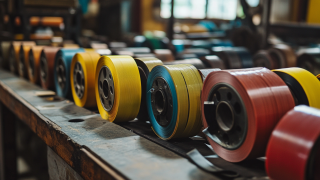
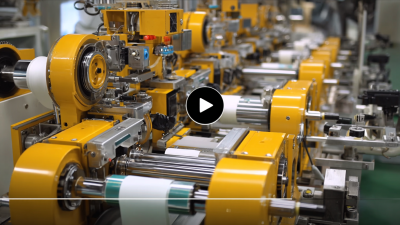
You know, in the fast-paced world of packaging solutions, really getting a handle on industry production standards is super important for making sure we’re not just churning out products but actually delivering quality and efficiency. Here at Zhongshan Sanyu Carrying Electronics Co., Ltd., which kicked off in 2016 right in the bustling Guangdong area of the Pearl River Delta, we’re all about packaging for SMD/SMT electronic Components - think carrier tapes and braid equipment.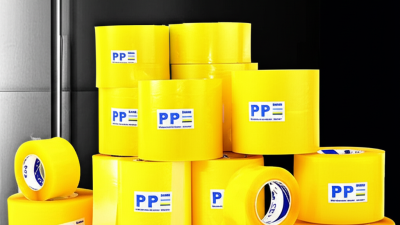 As we look ahead into what’s next for Pp Packaging Tape, it’s really key to dig into the standards that shape its production. This blog is here to shine a light on the important bits about PP Packaging Tape—how it’s used, and why sticking to industry standards can really boost both performance and reliability in our packaging processes. By honing in on the best practices in production, we hope to play a part in promoting sustainable growth and innovation within the packaging scene. With our passion for quality and depth of expertise, we’re set to lead the charge in raising the bar for PP Packaging Tape across various applications.
Key Factors Driving the Growth of the PP Packaging Tape Market by 2025
You know, the PP packaging tape market is really gearing up for some major growth as we head towards 2025. It’s all about that e-commerce boom and the rising need for sturdy packaging solutions that’s driving this trend. Businesses are on the lookout for reliable ways to keep their packages safe during shipping, and it’s becoming super clear just how important high-quality tape is. You can really see this playing out in the logistics and retail worlds, where solid packaging is key to keeping customers happy.
Plus, there’s been some cool stuff happening with adhesive technology that's really boosting the performance of PP packaging tapes – it’s making them way more attractive to both manufacturers and consumers. Now that the market is set to grow at a pretty impressive rate, you’ve got stakeholders diving in, investing in fresh, innovative solutions that meet those tough industry standards. With this big focus on quality, alongside the surge in online shopping and a growing push for sustainability, it looks like the PP packaging tape market is all set to expand even more in the next few years. It’s definitely going to be a critical part of the packaging industry!
Current Industry Production Standards: A Comprehensive Overview
When you're trying to pick the best polypropylene (PP) packaging tape, it's super important to get a handle on the current production standards in the industry. These standards pretty much set the bar for quality and performance that manufacturers have to hit to make sure their products are up to snuff. In the world of PP tape, things like how well it sticks, its thickness, and how it holds up against different environmental factors are key in figuring out if it's right for your needs. Sticking to these standards not only makes sure the tape holds up during transport and storage but also gives consumers like you a peace of mind about how long your packages will last and how secure they really are.
Another big deal when it comes to production standards is how manufacturers test their products. They really put their rolls of tape through their paces to make sure each one performs consistently. The testing usually looks at how well it peels, its tensile strength, and even how it stands up to different temperatures, among other stuff. By following these thorough production guidelines, manufacturers can roll out a product that’s ready to meet the market's needs. And with so many businesses now focusing on sustainability, lots of producers are starting to get into eco-friendly materials and production methods that line up with updated industry standards. This adds a thoughtful touch for those of us who care about the environment!
Comparative Analysis: PP Packaging Tape vs. Alternative Solutions
You know, when it comes to picking out packaging options, polypropylene (PP) tape really shines. It’s not just super strong but also pretty budget-friendly, which is always a plus. I came across this industry analysis that pointed out that PP tape can handle up to 50 pounds of tension per inch! That means it sticks like a champ, especially when you’re dealing with heavier items. This is super important for all sorts of industries, from logistics to food packaging. And guess what? The demand for PP tape is expected to grow by about 4% each year, thanks to those impressive performance stats.
Oh, and get this—a recent study compared PP tape to acrylic and rubber-based tapes, and it turns out PP tape comes out on top in tricky environmental conditions like extreme heat and humidity. There’s this research published in the Journal of Packaging Technology that says acrylic tapes can break down pretty quickly when exposed to UV light, but PP tapes? They keep their stickiness and integrity, which is fantastic for long-term storage. Plus, with sustainability being such a hot topic these days, the fact that PP tape is recyclable really gives it an edge over non-recyclable options. It definitely seems like a smart choice for modern packaging solutions!
Best Practices for Selecting High-Quality PP Packaging Tape
Alright, so when you're trying to pick out some good quality polypropylene (PP) packaging tape, it's super important to get a grasp on the industry production standards. You know, research has shown that around 30% of packaging failures happen because of shoddy tapes that just don't meet the right standards. So, what should you look for? Well, a few key things come to mind, like adhesion strength, tensile strength, and temperature resistance. For example, a study from the Packaging Association found that if your tape has at least a 25 oz/inch adhesion strength, it tends to work better for a bunch of packaging needs. That way, you can be sure the tape's gonna seal those packages tight, which really helps in stopping any leaks or damage during shipment.
And don't forget about the tape's thickness; that's pretty crucial too! The industry generally suggests that for heavy-duty stuff, you should go for PP tapes that are at least 2.0 mils thick since they can handle a lot more stress. Plus, it's worth considering the environmental aspects of the tape you choose. A report from some eco-minded packaging groups pointed out that going for recyclable PP tapes not only keeps you in line with industry standards but also helps with sustainability goals. So, by sticking to these best practices, businesses can really boost the efficiency and reliability of their packaging, which ultimately cuts down on the chances of losing products due to tape mishaps.
Future Trends: Innovations in PP Packaging Tape Production Technologies
You know, as more and more folks are looking for sustainable and efficient packaging options, the PP packaging tape industry is really shaking things up with some cool new production tech. A recent report from Smithers Pira even says that the global market for packaging tape is expected to hit a whopping $5.3 billion by 2025! That’s largely thanks to advances in materials and how things are made. Manufacturers these days are putting a lot of effort into creating eco-friendly and recyclable polypropylene (PP) tapes. It’s not just good for the planet; it also helps them keep up with some pretty strict regulations across various industries.
One exciting trend we're seeing in PP packaging tape production is the use of digital printing technologies. This means businesses can have custom designs right on the tape, which really boosts brand visibility without messing up their production lines. Plus, there are all these new techniques popping up, like water-based adhesives, that are actually transforming the whole production game by ditching harsh solvents—definitely a win for sustainability!
And let's not forget automation in tape manufacturing; it's definitely on the rise. This not only helps companies crank out products faster but also gives them better quality control. All these innovations in PP packaging tape production are really raising the bar for the industry, helping manufacturers meet consumer demands while keeping their environmental responsibilities in check. Pretty neat, huh?
Navigating Regulatory Compliance in PP Packaging Tape Manufacturing
When it comes to making polypropylene (PP) packaging tape, navigating the whole regulatory compliance thing is super important for manufacturers who really want to deliver top-notch products. According to the folks at the European Plastics Converters (EuPC), sticking to standards like REACH, RoHS, and FDA regulations is a must if we want to ensure that our packaging is safe for people and the planet. These rules cover everything from the chemical safety of the materials we use to the recyclability and overall environmental impact of our PP packaging tape. A report from the Association of Plastic Recyclers back in 2021 mentioned that we hit about 11% for recycling rates on polypropylene materials, which really underscores how crucial it is to comply with eco-friendly practices in our manufacturing processes.
And, let’s not forget—understanding the industry standards set by organizations like the American Society for Testing and Materials (ASTM) is key to making sure we're compliant. For example, ASTM D3750 lays out the testing methods for tack, adhesion, and tensile strength, which are super important for figuring out how well our PP packaging tape performs. You know, a recent study by Smithers Pira even predicted that the global market for packaging tape will blow past $35 billion by 2026. So, it’s really in our best interest to dive into the regulatory stuff and pick up some best practices. Plus, with competition heating up, making sure our production processes align with these standards not only keeps us compliant but also helps boost consumer trust in our PP packaging solutions.
Maximizing Efficiency with Customized Carrier Tapes for SMD Electronic Components: Exploring OEM/ODM Solutions
In the fast-paced world of electronics manufacturing, efficiency is paramount, especially when it comes to the handling and transportation of Surface Mount Device (SMD) components. Customized carrier tapes have emerged as a crucial solution for optimizing these processes. Sanyu’s SMD/SMT carrier tapes are designed to provide secure and efficient storage and transport for delicate electronic components, ensuring they remain undamaged during handling. Crafted from durable materials such as PS, PC, PET, ABS, and PP, these carrier tapes offer exceptional protection while maintaining the integrity of the SMD elements they cradle.
The key feature of Sanyu’s carrier tapes lies in their precision engineering. With a remarkable capacity of 108 high-precision production lines, the company specializes in ODM (Original Design Manufacturer) and OEM (Original Equipment Manufacturer) services, catering to the unique requirements of various clients. Their extensive range of carrier tapes, available in sizes from 8mm to 104mm, is tailored to accommodate different electronic components, ensuring that each tape is optimized for the specific needs of the application. By leveraging customized solutions, manufacturers can enhance their assembly processes, thereby increasing overall productivity and efficiency in the electronic component supply chain.
FAQS
: Current industry production standards are crucial because they define quality and performance benchmarks that manufacturers must meet, ensuring their products are reliable, effective, and provide peace of mind to consumers regarding package integrity.
Key factors include adhesion strength, tensile strength, thickness, and temperature resistance, as these attributes significantly impact the tape's performance in effectively sealing packages and preventing leaks during transit.
A minimum adhesion strength of 25 oz/inch is recommended for effective securing of packages across various applications.
The thickness of the tape plays a crucial role; industry guidelines recommend at least 2.0 mils for heavy-duty applications to withstand substantial stress.
Choosing recyclable PP tapes is important as it not only ensures compliance with industry standards but also aligns with sustainability efforts, minimizing environmental impact.
Manufacturers must comply with regulations such as REACH, RoHS, and FDA standards, which govern material safety, recyclability, and the environmental impact of packaging products.
Rigorous testing is essential to ensure consistent performance, assessing characteristics such as peel strength, tensile strength, and temperature resistance, which are vital for high-quality tape.
Staying informed about industry standards helps manufacturers ensure compliance, boosts consumer trust, and enhances competitiveness in the growing packaging tape market projected to surpass $35 billion by 2026.
Compliance with eco-friendly practices is critical as it influences the recycling rates of PP materials, which reached approximately 11% in 2021, underscoring the need for responsible manufacturing practices.
Using poor quality PP tape can lead to packing failures, with reports indicating that approximately 30% of packaging failures are due to tapes that do not meet specific industry standards.